
Cost Benefits of Sodium-ion Electric Motorcycles
The global demand for electric two-wheelers is rising rapidly, but international B2B buyers and commercial distributors face a continuous operational challenge: volatile product wholesale pricing. For years, the market price of high-quality electric motorcycles has been heavily tied to the fluctuating costs of lithium-ion battery cells. As a smart distributor or fleet operator looking to expand your local market share, you are likely searching for a more stable, predictable, and highly profitable alternative. This financial alternative has officially arrived in the form of sodium-ion battery technology. In this article, we will break down the economic and industrial manufacturing reasons why sodium-ion electric motorcycles are becoming the most cost-effective choice for global wholesale markets.
B2B buyer note: Performance, ROI, safety, compliance, and local assembly results depend on model configuration, operating conditions, local verification required, importer-led approval, and after-sales execution. Validate claims with samples, documentation support, and real market data before scaling orders.
The Raw Material Crisis: Why Lithium is Inherently Expensive
To fully comprehend the cost benefits of sodium, we must first analyze the volatile global supply chain of lithium. Lithium is a scarce mineral resource that is geographically concentrated in only a few highly volatile regions worldwide. This natural scarcity creates immense market speculation and continuous pricing crises. When global electric motorcycle demand spikes, raw lithium prices skyrocket sharply, forcing electric motorcycle manufacturing plants to instantly raise their wholesale vehicle prices. For international importers, this makes long-term budgeting, corporate fleet leasing, and retail pricing forecasting notably difficult. You are essentially at the mercy of raw mineral mining cartels and unpredictable global shipping disruptions.
How Natural Sodium Abundance Lowers Manufacturing Costs
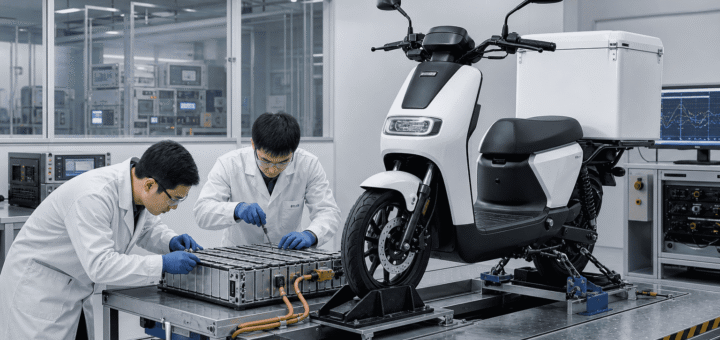
In stark contrast to lithium, sodium is one of the most abundant and easily accessible elements on Earth. Derived from common global table salt (sodium chloride), it can be sourced sustainably and cheaply in almost every region worldwide. Because the raw chemical materials are universally available, the base cost of producing sodium-ion battery cells is significantly lower than lithium cells. Furthermore, sodium batteries do not require expensive copper current collectors on the anode; they can use highly affordable aluminum instead. Shifting your import inventory to sodium-ion electric motorcycles insulates your distribution business from raw material shocks, supporting stable, predictable sourcing costs year-round.
Analyzing the Long-Term Return on Investment (ROI)
When calculating the total profitability of an electric motorcycle dealership network or a massive commercial delivery fleet, the initial purchasing invoice is only one part of the financial equation. True business owners must look at the long-term return on investment (ROI). Sodium-ion batteries offer an impressive industrial lifespan of over 3,000 full charge-discharge cycles before dropping in performance. Combined with the lower initial manufacturing costs, the cost-per-kilometer of operating a sodium-ion motorcycle fleet is meaningfully cheaper than both lithium alternatives and legacy delivery two-wheelers, passing immense operational savings directly to your company’s bottom line.
Supply Chain Stability for International Distribution Networks
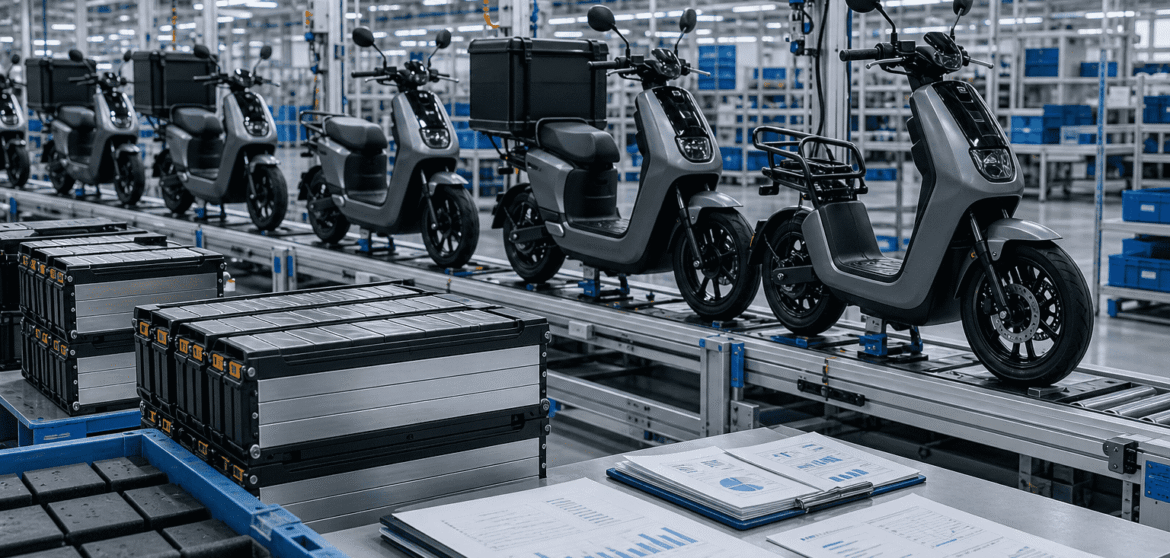
Price stability is the foundation of successful international B2B trading relationships. When a manufacturer can support fixed pricing for a 12-month contract, distributors can confidently sign agreements with local corporate clients, postal services, and retail dealership networks. Sodium-ion technology delivers exactly this financial peace of mind. By reducing reliance on rare earth minerals, manufacturing plants can offer highly competitive, non-volatile pricing structures for full 40HQ container orders, allowing your distribution business to scale smoothly without sudden margin compression.
Conclusion and Commercial Action Steps
The transition toward affordable, stable electric motorcycle technology is accelerating. Sodium-ion electric motorcycles represent a practical step forward in supply chain independence and manufacturing cost reduction. For B2B importers aiming to capture market share with competitive pricing and excellent profit margins, investing in sodium-ion technology is the option worth evaluating.