
Heavy-Duty EVs: Lowering TCO for Delivery Fleets
The rapid expansion of quick-commerce, last-mile delivery, and urban logistics has put new pressure on fleet operators. For B2B buyers, the question is not only purchase price. Profitability depends on Total Cost of Ownership, or TCO: energy, maintenance, downtime, spare parts, rider usability, and service life.
Traditional internal combustion engine scooters may look familiar and affordable at first glance. However, fuel exposure, regular maintenance, and workshop downtime can become significant operating factors when a fleet scales across dozens or hundreds of vehicles.
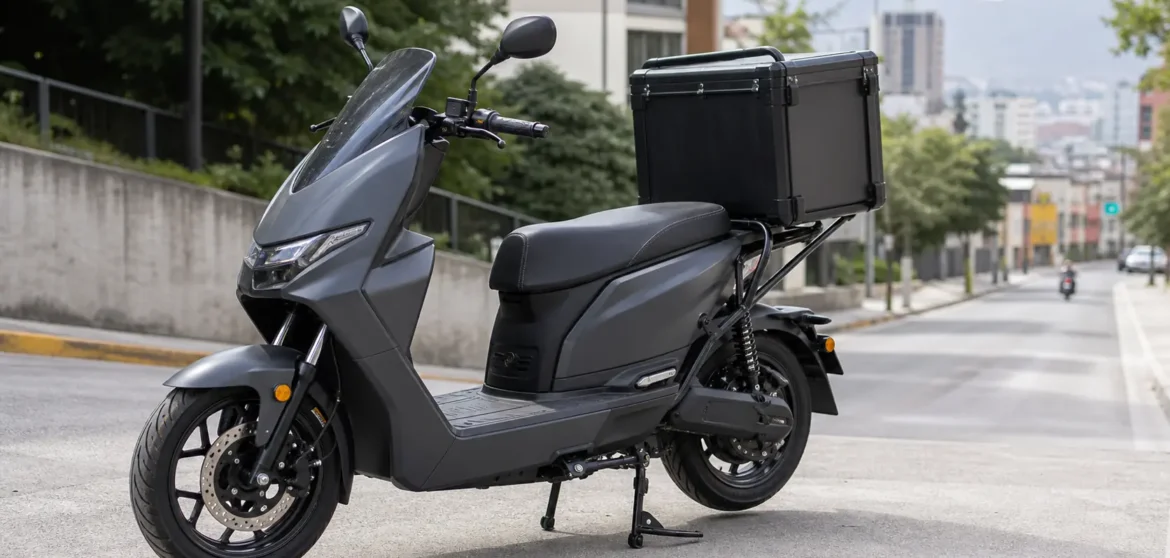
Heavy-duty electric motorcycles give delivery fleets another way to evaluate long-term operating costs, especially when the vehicle is designed around commercial use rather than casual commuting. The key is choosing models with the right battery system, cargo structure, motor torque, and after-sales support.
Fleet buyer note: TCO depends on route length, rider behavior, electricity pricing, maintenance discipline, financing, local incentives where applicable, and after-sales readiness. Use this guide as a planning framework, then validate numbers with your local operating data.
The Hidden Cost Pressure of ICE Delivery Scooters
Gasoline-powered scooters create several recurring costs that fleet managers must track closely. Fuel prices can change quickly, making monthly budgeting less predictable. Routine service also requires consumables such as engine oil, filters, belts, spark plugs, and clutch-related parts depending on the model.
For a single rider, these costs may feel manageable. For a delivery fleet, they multiply. Every service stop can reduce vehicle availability, create scheduling pressure, and add administrative work for fleet supervisors.
This does not mean every fleet should switch overnight. It means buyers should compare total operating cost across the full duty cycle, not just the purchase price on the quotation.
Why Commercial EVs Win the TCO Math
Electric motorcycles change the cost structure for many delivery operations. Electricity pricing is often more stable than fuel pricing, and charging can be planned around depot routines, rider shifts, or battery management workflows.
Maintenance can also become simpler. Electric drivetrains have fewer wear items than combustion engines, with no oil changes, exhaust system maintenance, spark plugs, or fuel-system servicing. This can support higher uptime when the fleet has proper charging discipline and access to spare parts.
Incentives, parking benefits, or operating-zone advantages may exist in some cities, but they should always be treated as market-specific. Local verification required is important before including any incentive in a financial model.
Key Features of a True Heavy-Duty Delivery EV
Not every electric scooter is built for commercial work. Delivery fleets need vehicles designed for daily mileage, cargo loads, rider comfort, and repeated stop-and-go use. When sourcing for a fleet program, buyers should pay attention to the core components rather than only exterior styling.
High-capacity lithium battery: fleet buyers should define expected route distance, charging window, battery replacement strategy, and service conditions before choosing a battery configuration.
Reinforced cargo rack: delivery boxes, food bags, and parcel loads place stress on the rear structure. A commercial vehicle should be planned with load support, mounting stability, and repeated-use durability in mind.
High-torque motor: delivery riders often carry cargo through hills, dense traffic, and frequent starts. Motor selection should consider payload, gradient, acceleration needs, and thermal performance during daily use.
Serviceable components: brakes, tires, lights, controllers, wiring harnesses, and body panels should be easy to inspect and replace. This matters because fleet downtime can be more expensive than the part itself.
How SunRise EV Supports Fleet Buyers
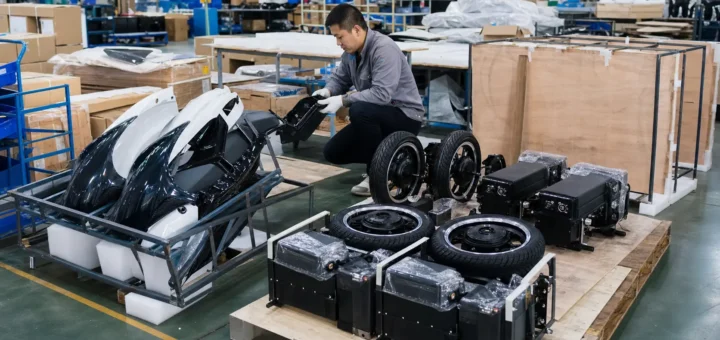
SunRise EV manufactures electric motorcycles for overseas importers, distributors, and fleet-focused buyers. For delivery operations, we can support model selection, battery configuration discussion, cargo rack planning, CKD/SKD planning where applicable, and documentation support for importer-led approval.
For B2B buyers, the goal is not simply to purchase vehicles. The goal is to build a repeatable operating system: the right vehicle specification, reliable spare parts planning, clear maintenance guidance, and a supply structure that can scale with fleet demand.
SunRise EV can help you compare vehicle configurations for your routes, payload requirements, charging plan, and local service capability. Final operating cost, local incentives, and compliance pathway should be validated by the buyer using local data and local verification required.
Ready to Review Your Delivery Fleet Requirements?
If you are planning a delivery fleet, start with the numbers: daily mileage, rider shifts, average payload, terrain, charging access, expected service intervals, and target vehicle life. From there, a heavy-duty electric motorcycle configuration can be selected more carefully.
Share your fleet scenario with SunRise EV, and our team can help review suitable electric motorcycle models, component options, packaging needs, and documentation support for your market.